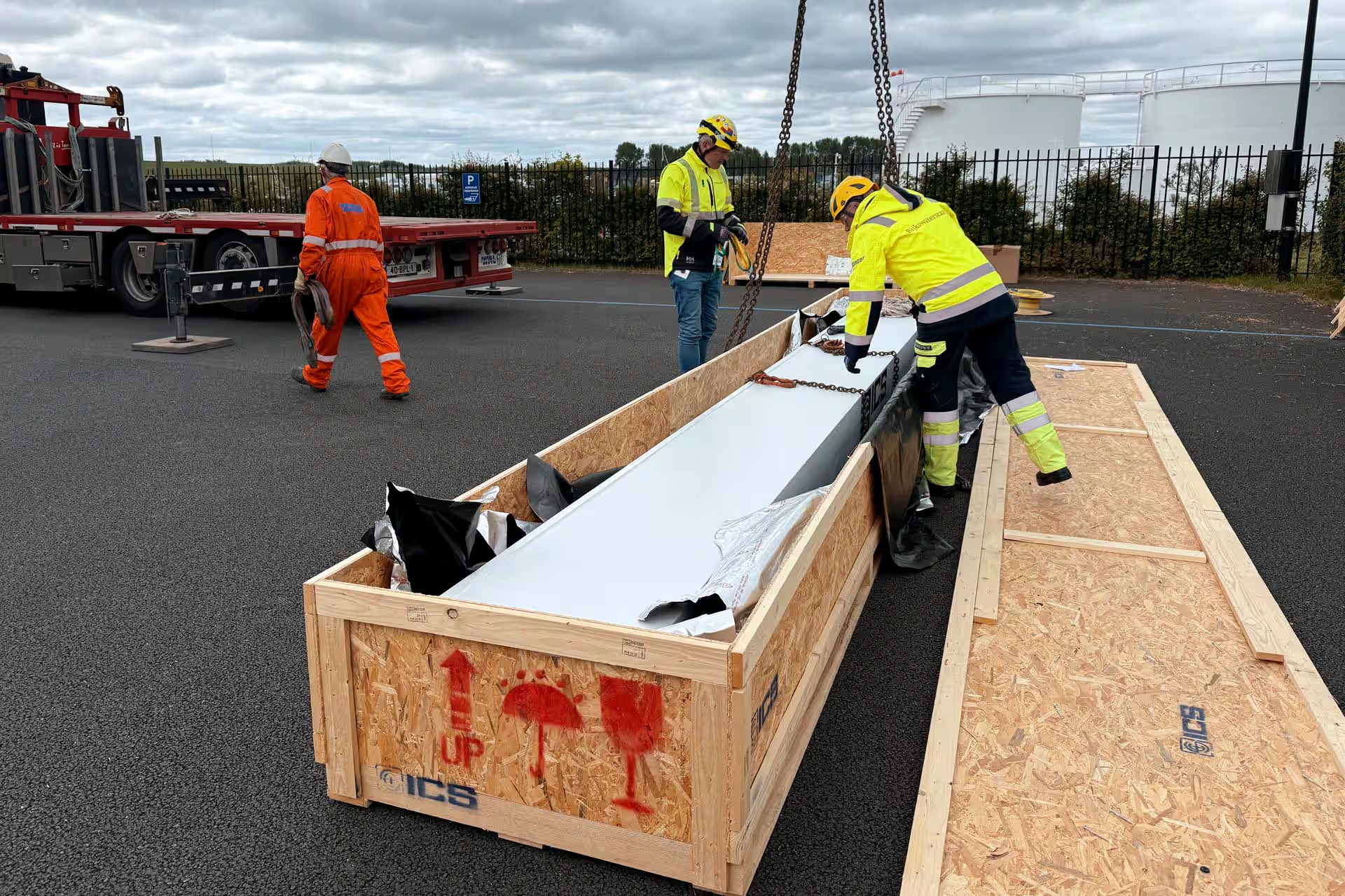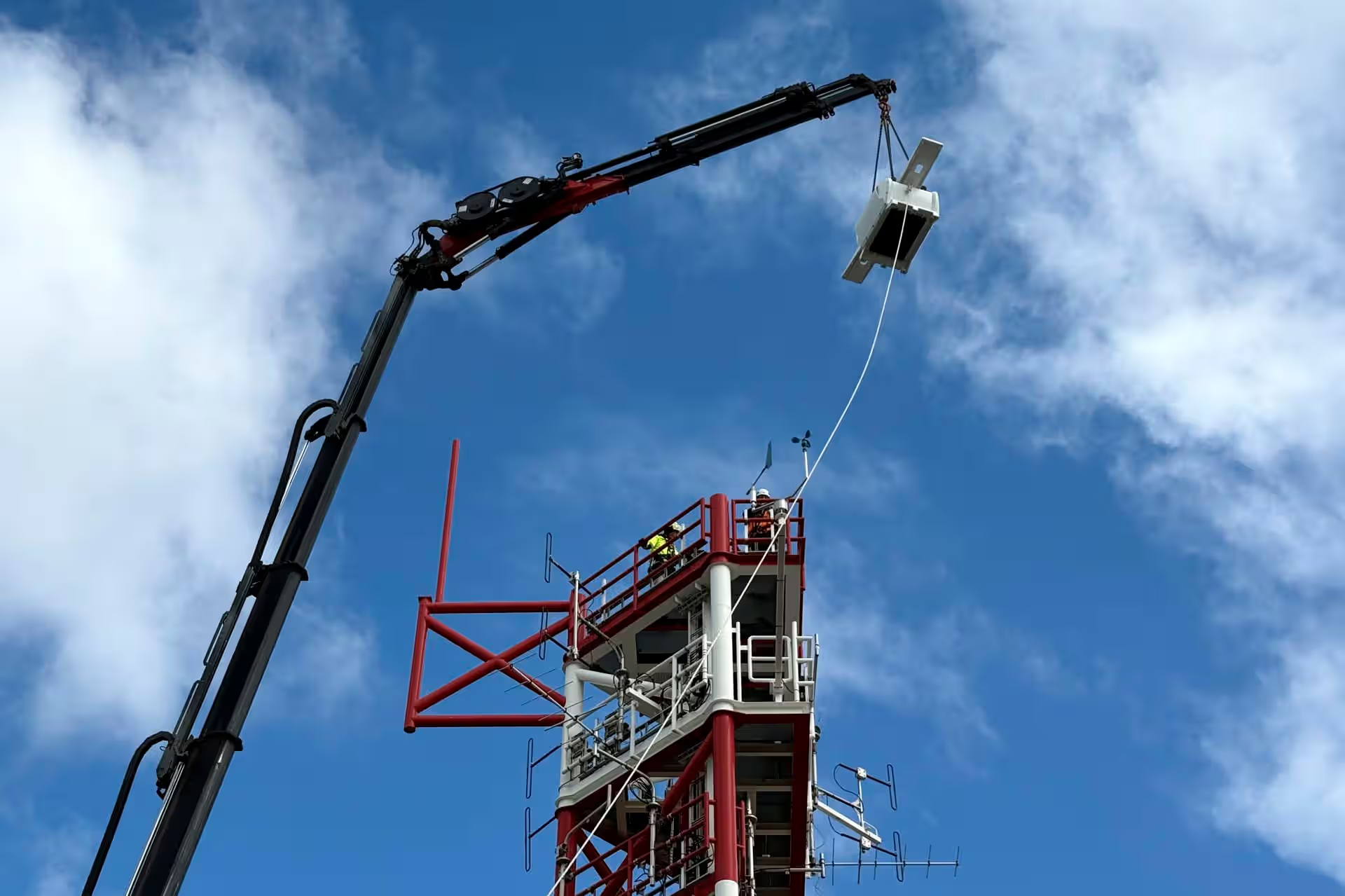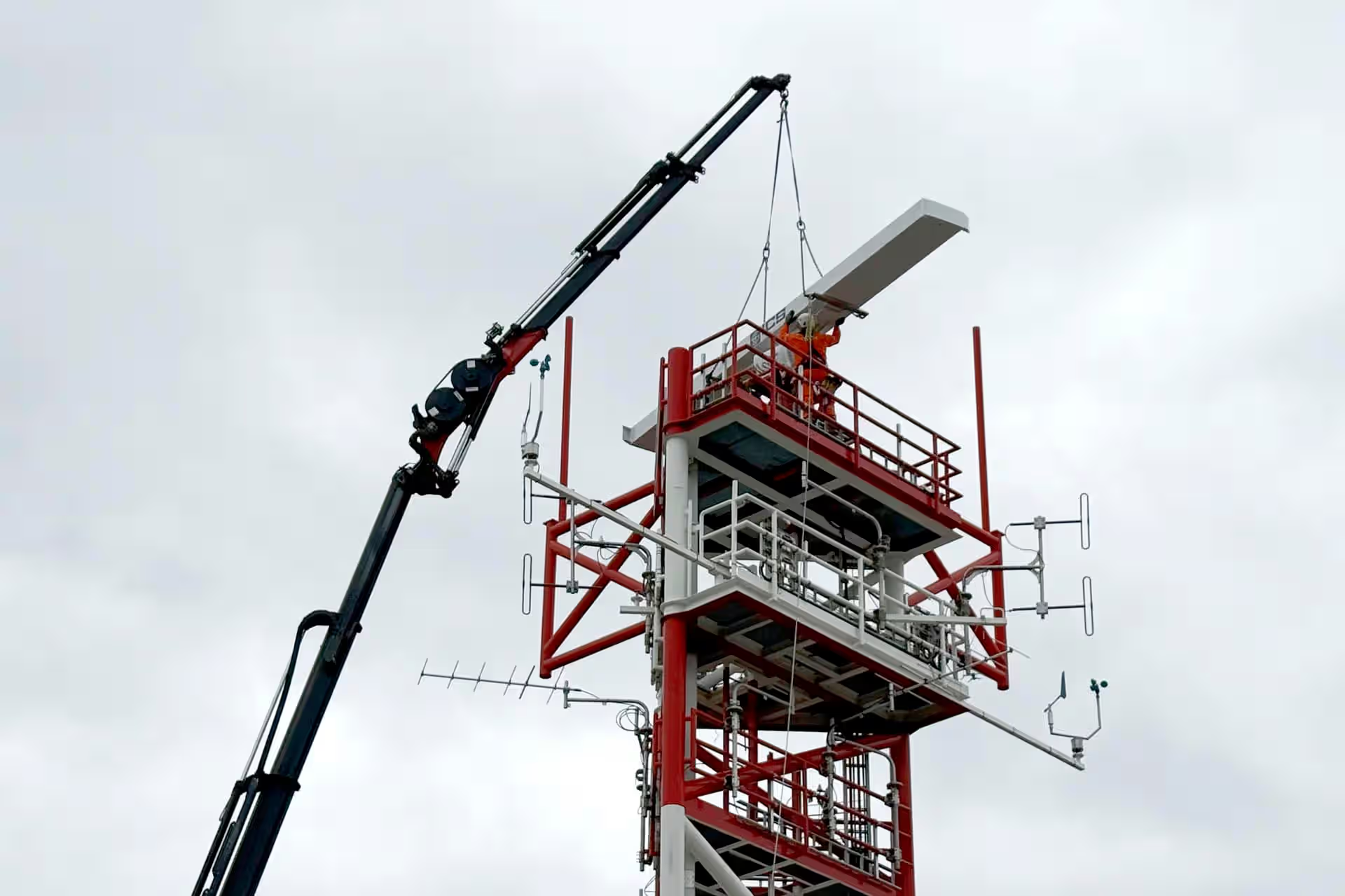
On 11 May 2026, the first nautical radar from the Italian supplier ICS was installed on the alpha mast of the Offshore Expertise Centre (OEC). This radar was identified as the most suitable option following an international tender procedure.
The cost of offshore operations is approximately ten times higher than onshore work. However, since this radar is expected to be significantly less maintenance-sensitive, it promises substantial cost savings. Existing radars will remain operational, including those at the OEC. This allows for a direct comparison of the performance of both radar systems.
The installation was completed without delay through coordinated collaboration between Rijkswaterstaat and several market parties. The various components of the radar were lifted one by one to the top of the mast using a crane, where they were securely mounted. Thanks to thorough preparation and effective coordination, this phase of the process was completed in a single morning.
In the coming period, the radar will undergo extensive testing at the OEC. After successfully completing this test phase, the radar will be dismantled and shipped to Singapore. There, it will be installed on the sensor mast of a 2-gigawatt substation currently under construction. In the coming years, this platform will facilitate the transmission of electricity from the IJmuiden Ver Beta offshore wind farm in the North Sea to the Dutch high-voltage grid.
The data generated by these radars are primarily intended for enforcement activities in and around wind farms by the Coast Guard. However, this data will also be made available to other parties, including the Port of Rotterdam Authority, the Scheldt Radar Chain, and, in the future, the Ministry of Defence.
In this way, Rijkswaterstaat contributes to improving safety in the Dutch part of the North Sea.